Development / 15 November 2026
Four watches.
A working design system.
Four watches in the line, the Grand, River field, the Railroad and the 96, two studies below, and the studio all of them are drawn in.
Two studies
Beside
the line.
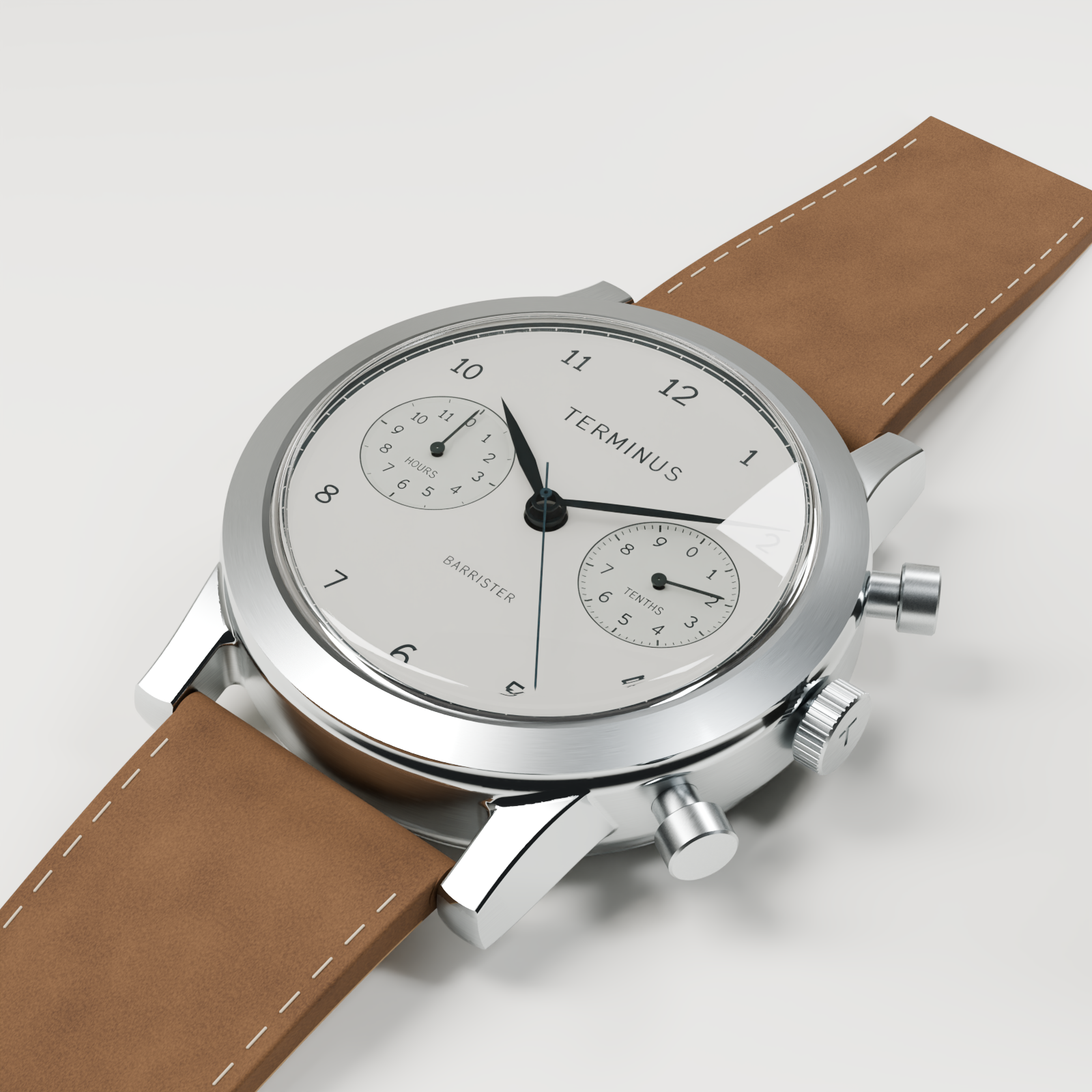
The Barrister
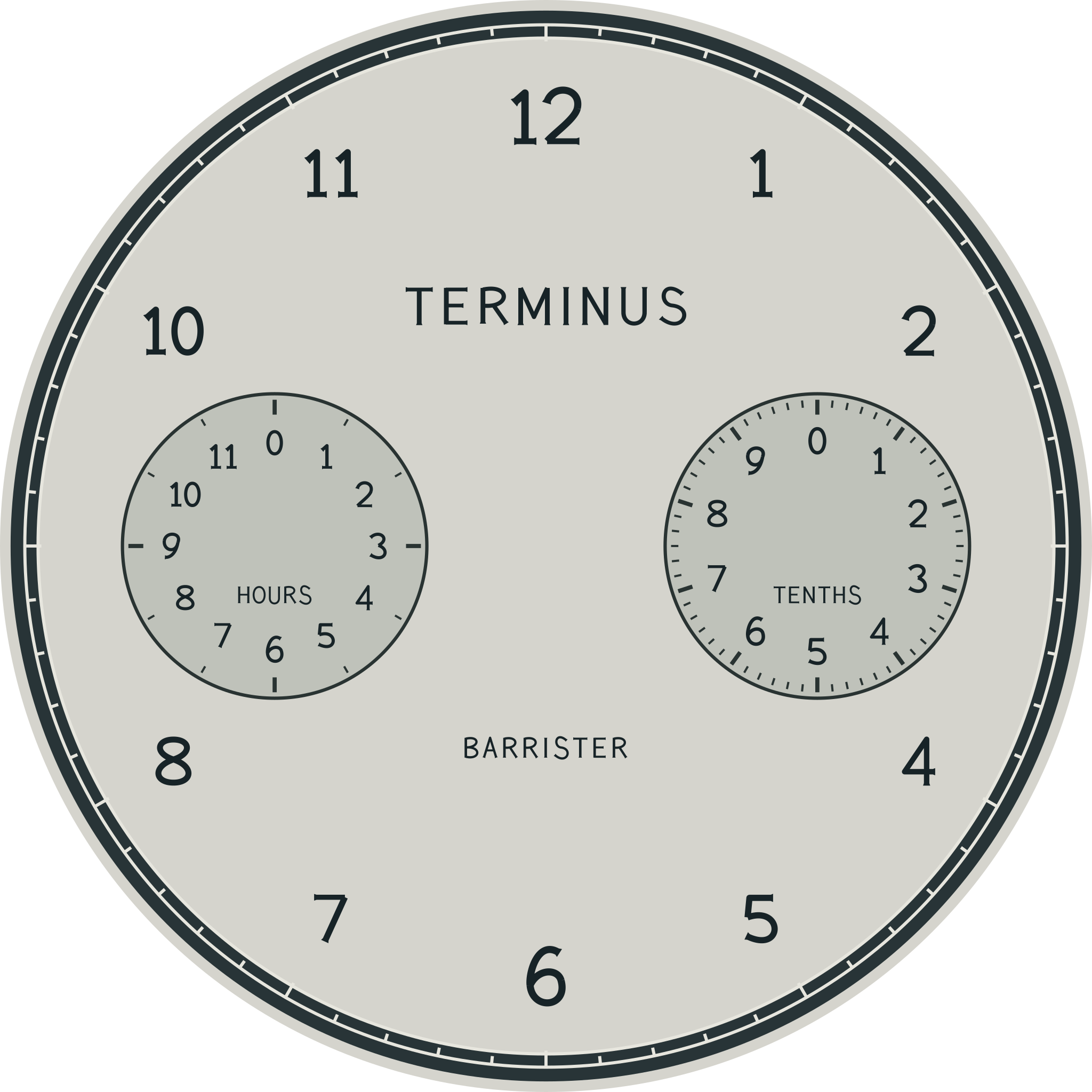
A mechanical timing concept with hours left and tenths right. The present 39 mm exterior carries a continuous dome, recessed registers and a detailed brown suede study.
Explore Barrister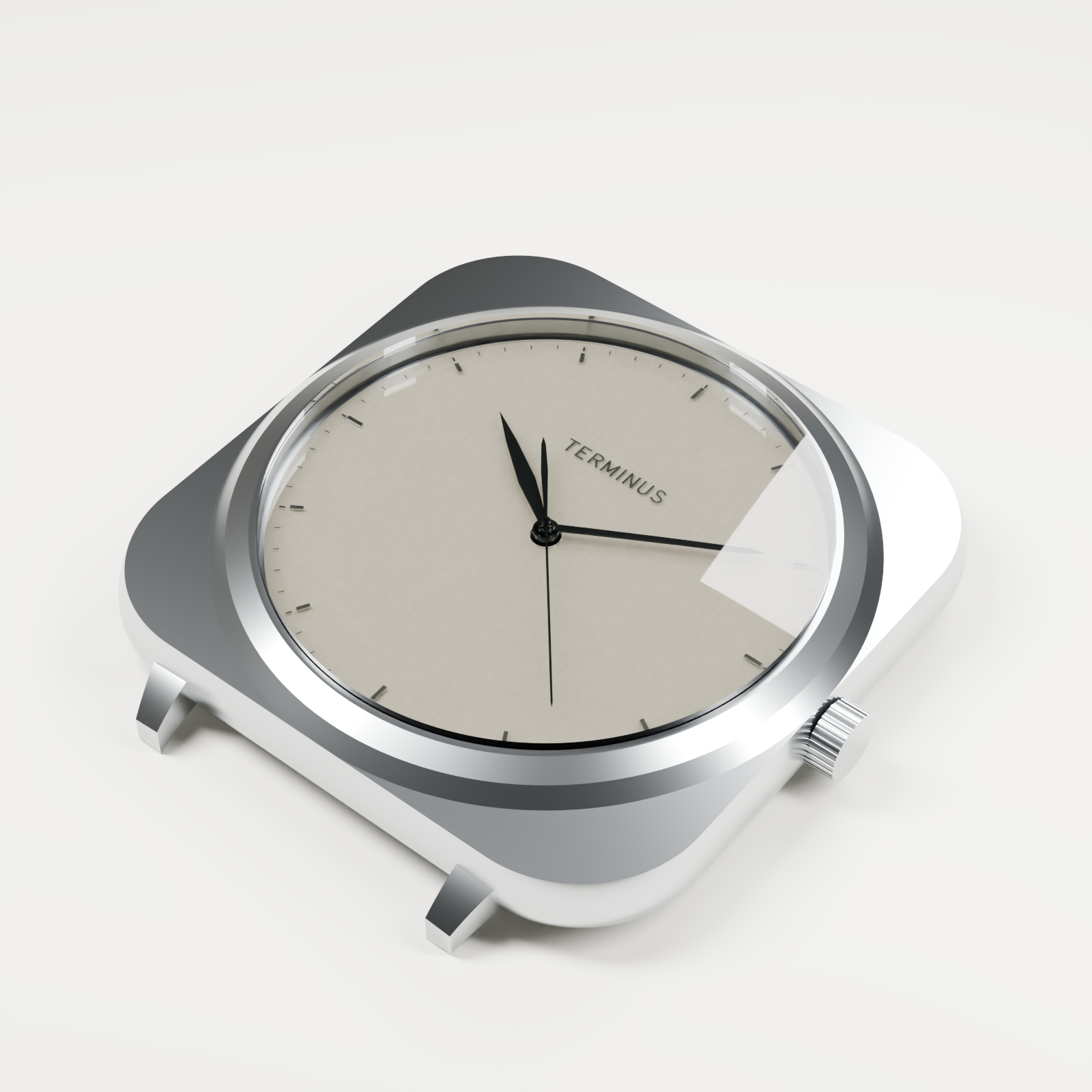
Paper & light
A separate solar-quartz construction, using Ronda 213 source interfaces and a proposed layered paper dial.
Explore Paper & lightThe authoring system
Build from the
whole watch.
Nineteen families organise 125 watch elements, from the case and lugs to the dial, rehaut, hands and movement. Author repeated components, dimensions, surfaces and their relationships within an independent saved watch.
Review supported geometry changes before accepting them. Broader specifications remain editable design intent until a constructor is available. Save, reopen, Undo and portable exports preserve accepted decisions and separate unfinished fields.
The parts catalogue connects movement executions and supporting components to dimensional specifications, manufacturer documents and dated supplier offers.
Open the design studio ↗ Browse parts ↗The studio here saves in this browser. Exact CAD and renders are made from the same designs on the studio's own computer. Supplier compatibility claims do not establish fitted assembly.
The engineering ahead
From construction
to working watch.
The Barrister timing law is implemented in software. A physical mechanism must preserve accumulated raw time, round only the stopped reading, restore raw positions on resume and carry hours and tenths together.
The SW510 M provides source dimensions and a donor layout. Transmission, module packaging and the complete hand/movement stack require engineering development. Movement and exterior constraints are detailed with the Barrister design.
Paper & light needs measured transmission through its proposed stack, followed by charging, ageing and assembly trials.
Assembly and manufacturing
The movements are bought and the parts made by specialists. Who assembles the watches is not decided. Swiss, Chinese and Japanese component routes remain under consideration.
Supplier selection, first articles, seals, retention, service, tolerances, wearer testing and production finish still require qualification. Nothing has been made yet.
Current review files